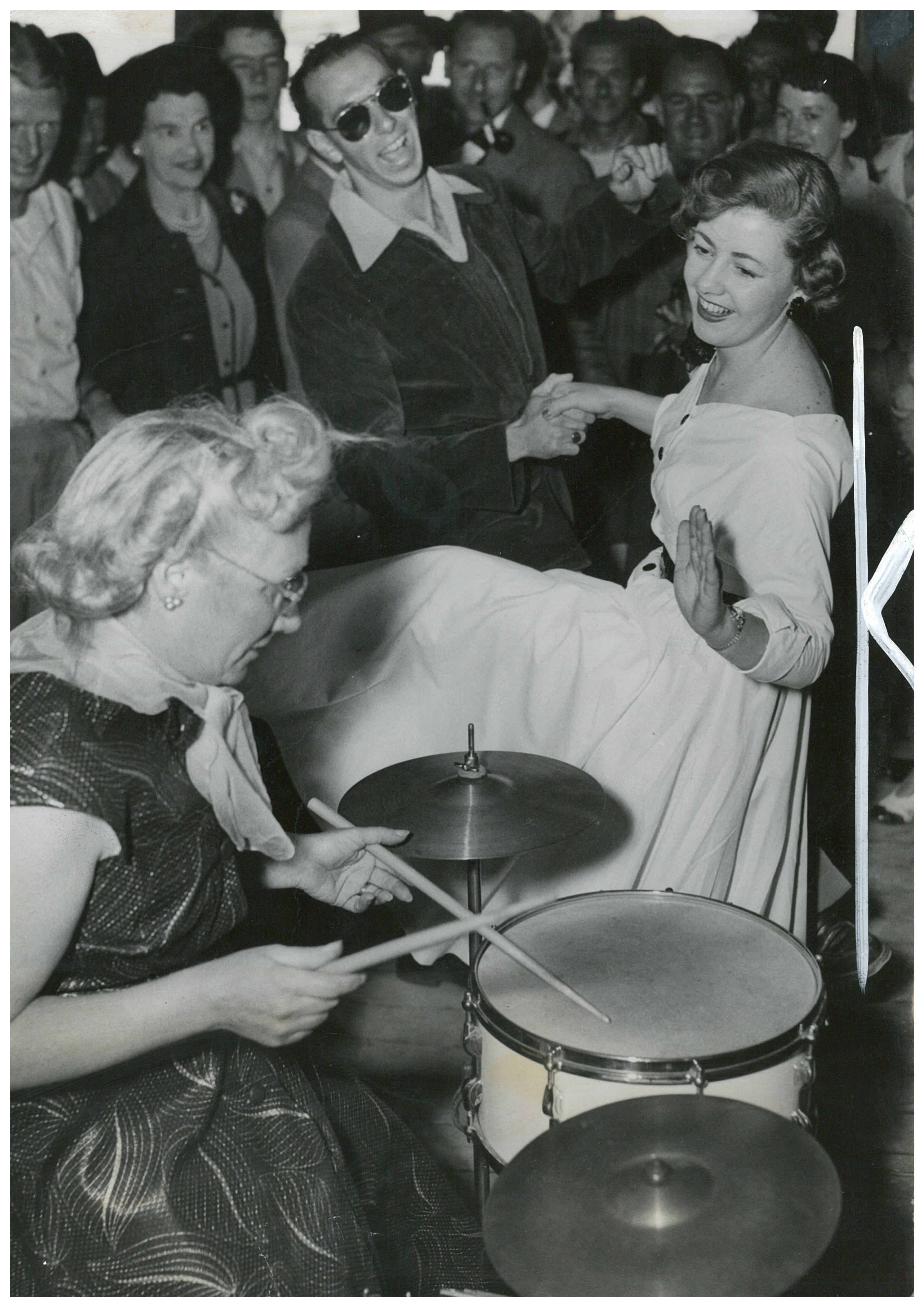
Drummers get a tough wrap.
If you were anything like us here at Linear Groove, you've heard your fair share of drumming myths. Some of them flattering, some of them...


Startups and musicians with big ideas, big talent, and shallow pockets suffer a lot of the same challenges.
Join the discussion! What can musicians learn from startups? We made a few tips you can check out here:


Gearing up for a new musical or business venture (what's the difference is our thinking) is pretty daunting. First and foremost is the giant elephant in the room: nobody knows who you are. Building a following is tough, especially when starting from scratch.
Much like a business, artists have to decide who their "ideal customer" is (that is, what kind of listener will natually gravitate toward your sound) and find out where they consume content. Pinpointing who you're targeting will help avoid an unfocused campaign, "HEY everyone listen to my music," that's unlikely to get a lot of traffic. This kind of market-aware thinking is an invaluable skill to build and "imagining" your own personal brand as a startup company is a great way to get started. According to our friends at IllGoToCollege.com, the word on the street is even colleges dig this, so high schoolers: consider starting a musical endeavour!
Start by targeting specific, even niche audiences and work your way up. Targeting simply "pop" listeners would be pretty tough, given the massive range of listeners, artists, and content using the label. Something like, "soft indie electronica in Cambridge, MA" might be a better place to start. Narrowing by geography is a useful way to focus your promotion efforts (especially under a tight budget). Don't try to make your music appealing to everyone, focus on a particular group first and worry about widening your net later. Early in the game, overzealous nets aren't going to yield a sustainable return.

If we've learned anything from the marketing successes of recent online branding (within and outside of the music world) it's that content is KING. Play the game: create a blog and attract listeners by creating content they care about. People are much more likely to check out your music if you're able to pull them in with other things they care about (this could be music related or otherwise).
A lot of newcomers struggle with finding their way into an online community where they can interact with peers and listeners... the truth is you just have to insert yourself by jumping into conversations. Share content that isn't yours, don't only plug your own tunes, share other bands' tracks you admire.
The hard truth of organic building (as opposed to paid advertising) is that it can take a while to really hit. A lot of what you put out there, like the tracks you've undoubtedly submitted, won't reach many people. Persistence and evenly distributing your resources are key. Don't neglect identity-building, but don't neglect your music either.

If you can figure out how to write, retweet, favorite, and share stuff people care about, this next part comes fairly naturally. People will follow you back. They'll respond to your tweets, they'll listen to your stuff... cooperation among struggling musicians is a fantastic way to pool resources and mutually benefit from each other.

While there's certainly a level of shamelessness that has to accompany self-promotion, this problem could be an indication that you're plugging too much! Remember, you won't make any friends by only pushing your own content.To take a page from startup marketing, a good rule of thumb is an 80/20 split (80% content, 20% self-promo). This is especially true for social media, but really can be applied to every outlet for your music.
We read a great article this past week about why Customers Leave a Restaurant on Song of the Day Cafe. SotDC typically talks about automated music, but this post is actually quite relevant. It got us thinking about live shows and how no one can really get away with a night full of original songs when they're first starting out. This concept of knowing your audience and catering to them (you're a performer after all) is a useful thing to keep in mind. When you're a newcomer, no one's coming to see you, you just happen to be at the bar / club they frequent. If you're going to build a following, you're gonna have to please the patrons...
Drummers get a tough wrap.
If you were anything like us here at Linear Groove, you've heard your fair share of drumming myths. Some of them flattering, some of them...
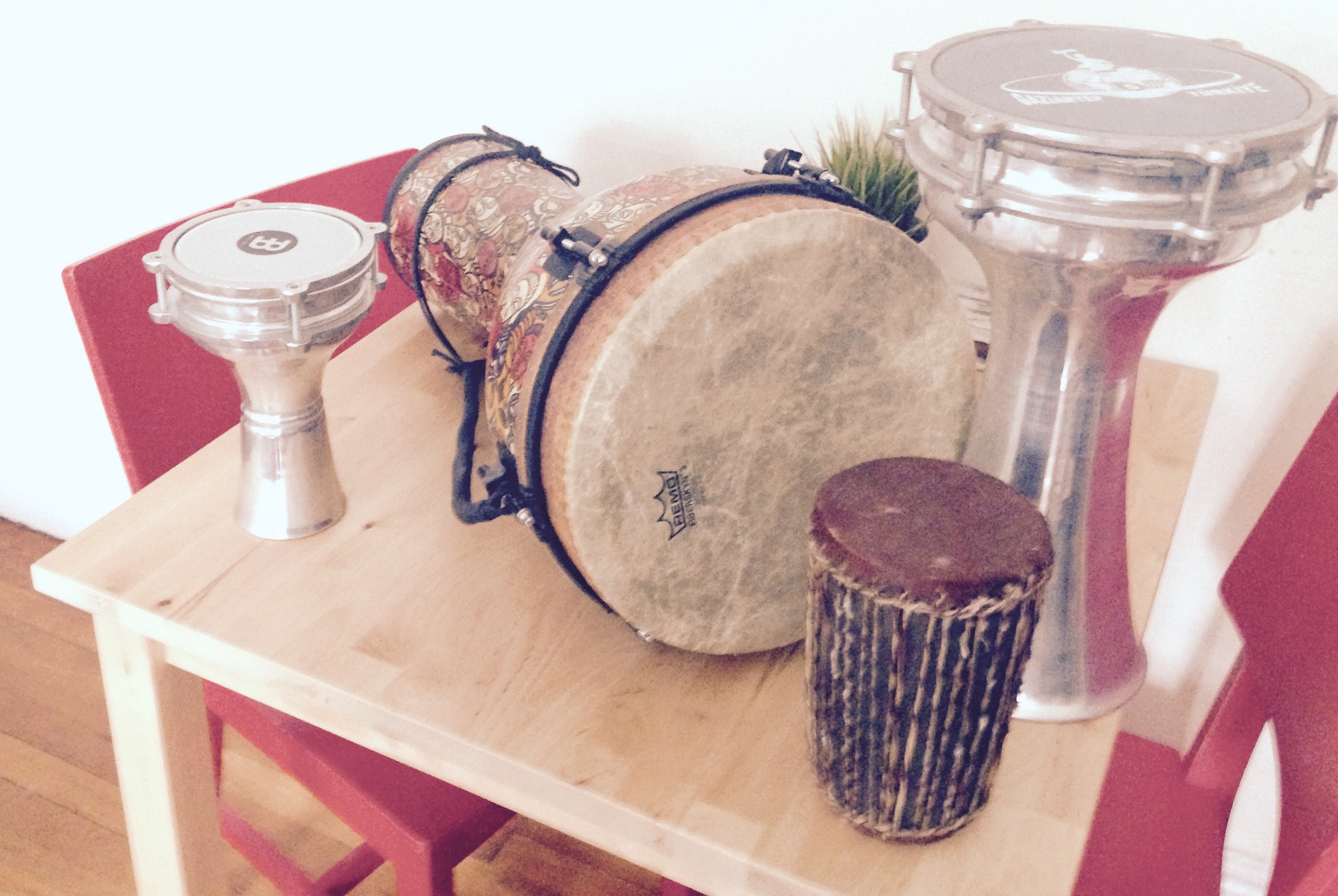
A Drummer's Life is a Hard Life.
Burdened (literally) with an instrument that's virtually impossible to lug around and often results in the neighbors calling the...