
Independent musicians and brand new startups:
Startups and musicians with big ideas, big talent, and shallow pockets suffer a lot of the same challenges.
- I have no...


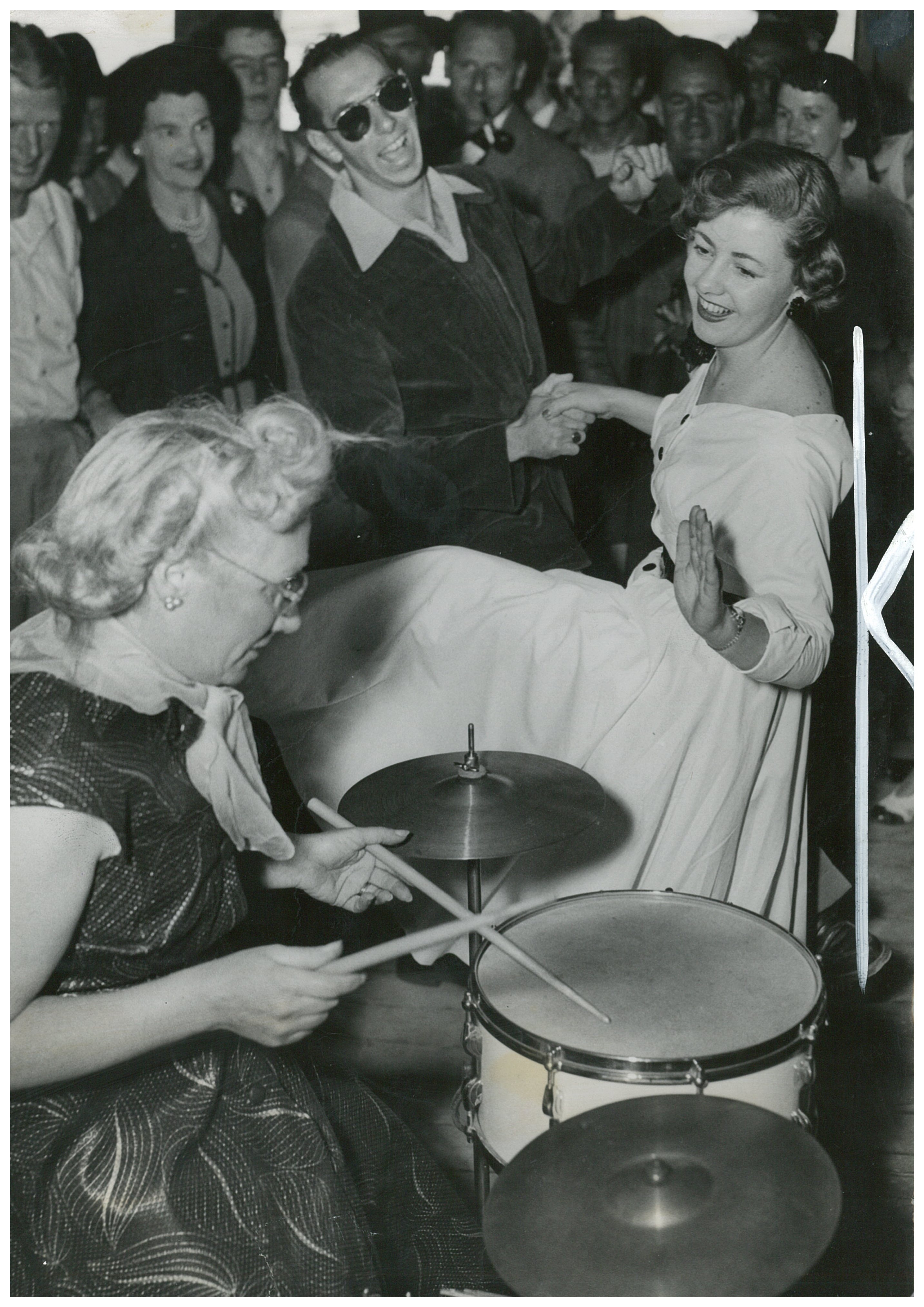
Drummers get a tough wrap.
If you were anything like us here at Linear Groove, you've heard your fair share of drumming myths. Some of them flattering, some of them not so much. We're here to set the record straight and compile the biggest misconceptions about drumming.
Everyone and their mum can pick up a stick and hit something with it. What makes the cavemen who beat the skins for a living any different?
As it turns out, quite a bit.

We like to say that while drums are one of the easiest instruments to "get by" on, it's definitely one of the tougher ones to really master.. If you can hold a beat with reasonable consistency, you'll likely be able to keep your band from falling off the rails, but you'll be REALLY boring.
Aside from the sheer physical expenditure required to put on a killer performance, there really is an infinite supply of new terrirtory to explore. The only real limitations to drumming are your physical control (how fast, syncopated, or steady can human dexterity take you?) and your imagination. That drummers simply stick to a repetative, guitair-serving backbeat is a big miconception about drumming and the industry in general. Great drummers lay the framework that drives the rest of the band and makes hundreds of conscious micro-decisions in order to guide the other musicians into new territories.
Maybe we oversold #1. We're all about promoting the advanced theory behind breakthrough drumming, but we still maintain that drums are relatively easy to pick up, even for people with no musical knowledge.

Everything that's hard about learning drums is true with any other instrument... it's just that with drums, these pain points are much more overt. You can have a lot of difficulty maintaining a consistent tempo but still whip out a guitar at a party, fake through Wonderwall, and woo a few people. The problem with drums is that it really highlights any weaknesses in your core musical chops.
But that's why drums is such a great instrument to learn on! It drives home the importance of tempo, time signature, and coherent composition because without them, you really can't sound even decent on the skins.
We hate this one.
Drumming is like anything else, you get what you pay for... which in this model-based musical-equipment economy means you can pay anything for a set. Are there sets that can run you over $10,000? Absolutely. Are there sets out there for under $100? Yup. The difference between drums and, say, piano or guitar, is that with drums you have a higher startup cost in exchange for (1) longevity (2) upradeability and (3) configurability.

Drums last a long time. In fact, if treated correctly, there's no reason not to expect a mid-range beginner kit to last for 10+ years under normal usage. The player may get to a point in their ability where the desire to buy a higher quality kit makes more sense, but as far as the equipment itself is concerned, drums tend to play at the same quality as the day of purchase throughout their lifetime. The core mechanisms behind a drum kit are replaceable: the heads. The expensive part, the drum shells, shouldn't take any absue under regular usage. Cymbals are expensive too, but if new drummers choose the right cymbals for their budget (entry-level and durable) and they learn to play them correctly, respectable cymbals can last ages as well.
As mentioned before, the part you hit is the drum head, and it can contribute a huge part to your sound. In addition to being replaceable and reasonably priced, drum heads can also dramtically change the feel, style, and playability of your set. Unlike instruments that require amplifiers, pedals, boxes, and filters to experiment with new sounds, drums can be incredibly versitle with a selection of heads and a little tuning know-how.
Also, as you expand to new genres and get a feel for the kind of sound you're looking for, drum kits are infamous for being expandable. It's much more likely you'll be looking to buy an additional drum, pedal, or cymbal before replacing something in your kit.

This is a big one. Unlike other instruments, drums don't come with a single "size tag". They're a mobile instrument made up multiple parts that can be organized into an infinite amount of arrangements. For this reason, drums are one of the best instruments to grow into, your kit will scale with you as you age!

Come on. This just isn't true. We're wagering anyone who honestly holds this opinion has never held a pair of sticks after a long, frustrating day. The fundamental secret behind drums is that it's HITTING STUFF. We'll admit it, the core motion in any groove, simple or complex, is hitting something really hard with a stick. Who doesn't love that?
People who haven't tried it.


Startups and musicians with big ideas, big talent, and shallow pockets suffer a lot of the same challenges.
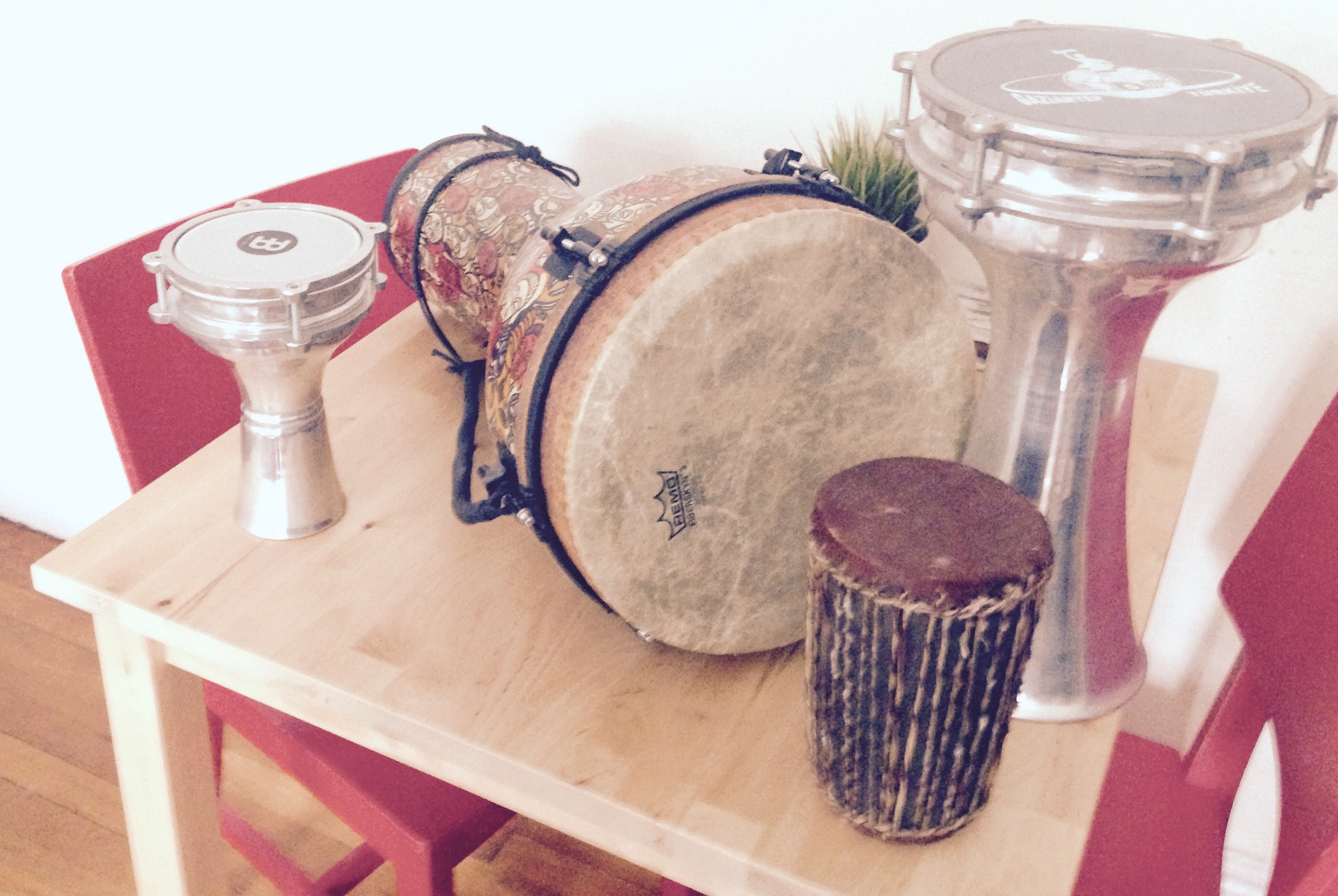
A Drummer's Life is a Hard Life.
Burdened (literally) with an instrument that's virtually impossible to lug around and often results in the neighbors calling the...